
Liver disease is becoming an increasingly serious health concern across the world. For patients suffering from advanced liver disease, liver transplantation often becomes the only life-saving treatment. However, one of the most critical factors that determines success is timely referral for transplantation.
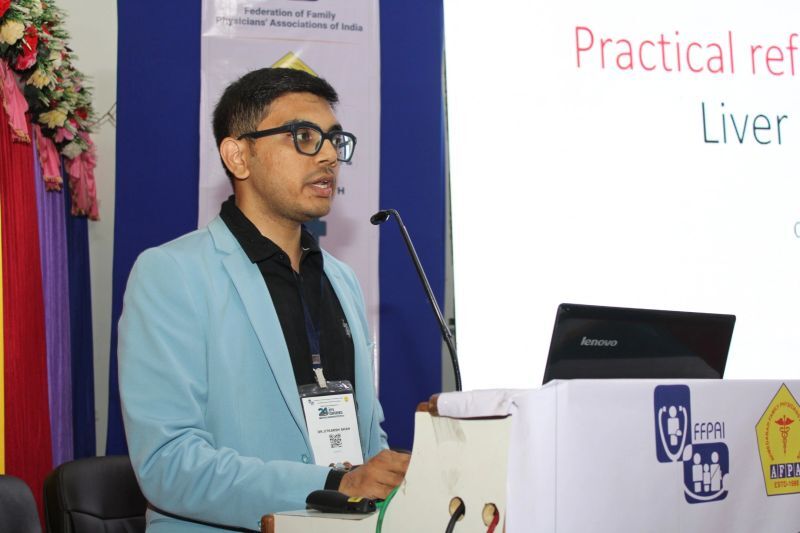
Recently, Dr. Utkarsh Shah shared insights on the importance of early referral and outcome optimization during an academic session with medicine residents and faculty at LG Hospital and Narendra Modi Medical College.
👉 You can view the original LinkedIn post here:
https://www.linkedin.com/posts/dr-utkarsh-shah-ab279436b_livertransplant-timelyreferral-cirrhosis-activity-7434483720021110784-sKmT
Why Timing Matters in Liver Transplantation
Liver transplantation is a highly advanced medical procedure that can significantly improve both survival and quality of life for patients with end-stage liver disease.
However, many patients reach transplant centers too late, when complications have already developed.
Late referral can lead to:
Severe infections
Kidney failure
Malnutrition and weakness
Higher surgical risk
When referral happens early, doctors have more time to evaluate the patient and prepare for transplantation, improving the overall outcome.
Early Referral Can Save Lives
One of the key messages emphasized in the academic discussion was:
“Refer early, not when it becomes too late.”
Early referral allows:
Better patient evaluation
Stabilization of the patient’s condition
Proper transplant planning
Higher success rates
By identifying transplant candidates earlier, physicians can ensure that patients receive the right treatment at the right time.
Importance of Academic Discussions in Medicine
Educational interactions between specialists and medical residents play an important role in improving patient care.
Sessions like these help doctors:
Understand transplant indications
Recognize early warning signs of liver failure
Make timely referrals to transplant centers
Such discussions contribute significantly to improving awareness and patient outcomes.
Multidisciplinary Team Approach
Successful liver transplantation requires collaboration between multiple medical specialists.
The transplant team usually includes:
Hepatologists
Transplant surgeons
Anesthesiologists
Critical care specialists
Nutritionists
Transplant coordinators
This multidisciplinary approach ensures that patients receive comprehensive care before, during, and after transplantation.
Conclusion
Liver transplantation offers hope and a second chance at life for patients suffering from severe liver disease. However, the success of transplantation depends greatly on timely referral and proper medical planning.
Healthcare professionals must focus on recognizing transplant candidates early and referring them to specialized centers before complications become severe.
By promoting education, awareness, and timely intervention, doctors can significantly improve survival rates and patient outcomes.