Dr Utkarsh Shah – Liver Transplant & HPB Surgeon

blog

blog

Timely Liver Transplantation: When to Refer, Not When to Regret

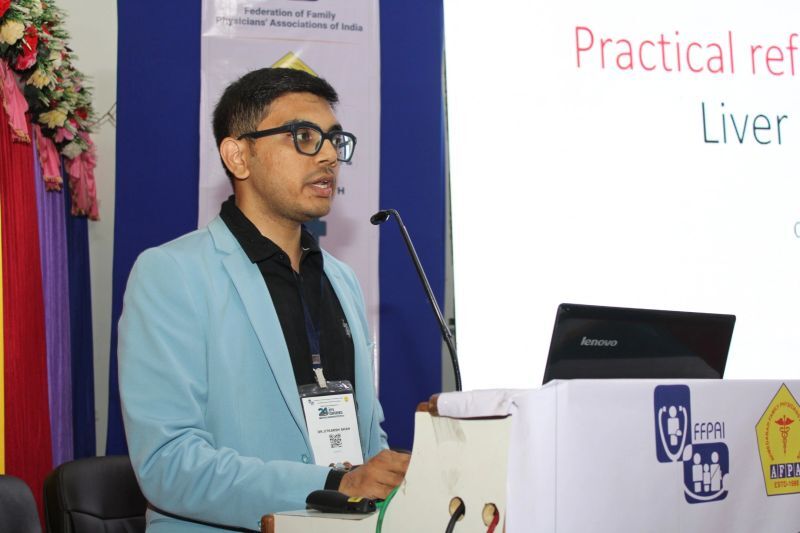
Home Timely Liver Transplantation: When to Refer, Not When to Regret Liver disease is becoming an increasingly serious health concern across the world. For patients suffering from advanced liver disease, liver transplantation often becomes the only life-saving treatment. However, one of the most critical factors that determines success is timely referral for transplantation. Recently, Dr. Utkarsh Shah shared insights on the importance of early referral and outcome optimization during an academic session with medicine residents and faculty at LG Hospital and Narendra Modi Medical College. 👉 You can view the original LinkedIn post here:https://www.linkedin.com/posts/dr-utkarsh-shah-ab279436b_livertransplant-timelyreferral-cirrhosis-activity-7434483720021110784-sKmT Why Timing Matters in Liver Transplantation Liver transplantation is a highly advanced medical procedure that can significantly improve both survival and quality of life for patients with end-stage liver disease. However, many patients reach transplant centers too late, when complications have already developed. Late referral can lead to: Severe infections Kidney failure Malnutrition and weakness Higher surgical risk When referral happens early, doctors have more time to evaluate the patient and prepare for transplantation, improving the overall outcome. Early Referral Can Save Lives One of the key messages emphasized in the academic discussion was: “Refer early, not when it becomes too late.” Early referral allows: Better patient evaluation Stabilization of the patient’s condition Proper transplant planning Higher success rates By identifying transplant candidates earlier, physicians can ensure that patients receive the right treatment at the right time. Importance of Academic Discussions in Medicine Educational interactions between specialists and medical residents play an important role in improving patient care. Sessions like these help doctors: Understand transplant indications Recognize early warning signs of liver failure Make timely referrals to transplant centers Such discussions contribute significantly to improving awareness and patient outcomes. Multidisciplinary Team Approach Successful liver transplantation requires collaboration between multiple medical specialists. The transplant team usually includes: Hepatologists Transplant surgeons Anesthesiologists Critical care specialists Nutritionists Transplant coordinators This multidisciplinary approach ensures that patients receive comprehensive care before, during, and after transplantation. Conclusion Liver transplantation offers hope and a second chance at life for patients suffering from severe liver disease. However, the success of transplantation depends greatly on timely referral and proper medical planning. Healthcare professionals must focus on recognizing transplant candidates early and referring them to specialized centers before complications become severe. By promoting education, awareness, and timely intervention, doctors can significantly improve survival rates and patient outcomes.


blog

Understanding Rejection After Liver Transplant

Home Understanding Rejection After Liver Transplant A liver transplant is a life-changing experience that affects not only the patient but also their loved ones. While medical care is crucial, emotional and psychological support play a significant role in the recovery process. Here’s a look at the importance of holistic support for liver transplant patients and their families: The Emotional Rollercoaster Liver transplant patients and their families often experience a range of emotions, from anxiety and fear to hope and gratitude. This emotional rollercoaster can be challenging to navigate, but with the right support, patients and families can better cope. Support Beyond Medicine – Emotional Support Counseling, therapy, and support groups can help patients and families process their emotions and develop coping strategies. – Practical Support Assistance with daily tasks, transportation, and meal preparation can alleviate caregiver burden and allow patients to focus on recovery. Accomodation – Community Support Connecting patients and families with others who have experienced similar journeys can foster a sense of community and understanding. Benefits of Holistic Support Improved Mental Health: Emotional support can reduce anxiety, depression, and stress. Enhanced Recovery: Practical support can help patients focus on recovery and reduce complications. Stronger Relationships: Support can strengthen relationships between patients, families, and caregivers. Resources for Support Liver Transplant Support Groups: Online or in-person groups can provide a safe space for patients and families to share experiences. Counseling and Therapy: Professional counseling can help patients and families cope with emotional challenges. Online Resources: Websites, forums, and social media groups can offer valuable information, support, and connection. Conclusion Supporting liver transplant patients and families goes beyond medical care. By providing emotional, practical, and community support, we can help them navigate this challenging journey and improve their overall well-being.

Beyond Medicine
blog

Beyond Medicine: Supporting Liver Transplant Patients and Families

Home Beyond Medicine: Supporting Liver Transplant Patients and Families A Simple Guide for Patients and Families If you or your loved one has undergone a liver transplant, one word you may hear during follow-ups is “rejection.” It sounds frightening. But the truth is — in most cases, rejection is treatable and manageable, especially when detected early. Let’s understand it in simple terms. What Does “Rejection” Mean? Our immune system is designed to protect us from infections. After a liver transplant, the body recognizes the new liver as “different.” Sometimes, the immune system becomes overactive and tries to attack it. This reaction is called rejection. • It does not mean the transplant has failed.• It does not mean something went wrong.• It is a known and manageable medical situation. How Common Is Rejection? Rejection is quite common in the first few months after transplant. The good news? • Most cases are mild• Most respond very well to medicines Types of Rejection (In Simple Words)  Acute Rejection • Usually happens in the first 3–6 months• Often detected in routine blood tests• Usually reversible with medicines This is the most common type and is treatable in the majority of patients.  Chronic Rejection • Much less common• Develops slowly over time• Rare when medicines are taken regularly Regular follow-ups significantly reduce this risk. What Are the Warning Signs? Sometimes rejection causes no symptoms and is detected only on blood tests. But possible signs include: • Fever• Yellowing of eyes (jaundice)• Dark urine• Fatigue• Pain over the liver area• Abnormal liver function tests That is why regular follow-up blood tests are extremely important — even when you feel perfectly fine. Why Do Rejection Episodes Happen? Common reasons include: • Missing medicines• Taking incorrect doses• Drug interactions• Stopping medicines without medical advice  Never stop transplant medicines on your own — even if you feel completely healthy. How Is Rejection Treated? Treatment usually includes: • Increasing immunosuppressive medicines• Short course of steroids• Adjusting existing drug doses Most patients improve quickly with timely treatment. The Most Important Rule: Medication Discipline After transplant, medicines are lifelong. Think of them as your “security guards” protecting your new liver. • Take them at the same time daily• Do not skip doses• Do not self-adjust• Inform your doctor before starting any new medication Consistency is the key to long-term success. Can a Transplanted Liver Last Long-Term? Absolutely With : • Proper follow-up• Regular blood tests• Medication adherence• Healthy lifestyle Many patients live decades with excellent quality of life. Final Reassurance Rejection is not failure.It is a manageable medical condition. Early detection + timely treatment = excellent outcomes. If you ever notice symptoms or miss medicines, inform your transplant team immediately. We are always here to help.

Silent Struggles
blog

Silent Struggles: Mental Health of Liver Transplant Patients and Their Caregivers

Home Silent Struggles: Mental Health of Liver Transplant Patients and Their Caregivers A liver transplant is not just a medical journey—it is an emotional one. While doctors focus on the liver disease, the mind and emotions of patients and caregivers often go unnoticed. Fear, anxiety, hope, guilt, and exhaustion are all part of the transplant experience. Understanding and caring for mental health during this time is just as important as physical treatment. Emotional Challenges Faced by Patients 1. Fear and Uncertainty Patients often fear : The surgery itself Whether the transplant will succeed Life after transplant Questions like “Will I survive?” or “Will my life ever be normal again?” can cause constant anxiety. 2. Depression and Hopelessness Pre-transplant illness and preparation for transplantation, long hospital stays, weakness, and dependence on others may lead to : Loss of confidence Feelings of helplessness Sadness or withdrawal Some patients feel they are a burden on their family, which worsens emotional distress. 3. Guilt in Living Donor Transplants Patients receiving a liver from a family member may feel : Guilty about putting the donor at risk Emotionally responsible for the donor’s recovery These feelings are common and completely normal. Mental Health Challenges Faced by Caregivers . Caregivers—often spouses, parents, or children—carry a heavy emotional load . 1. Constant Stress and Responsibility Caregivers manage : Hospital visits Medications Finances Emotional support This can lead to chronic stress and burnout. 2. Anxiety About Outcomes Families worry about : Surgery complications1 ICU recovery Long-term survival Living with constant fear can affect sleep, appetite, and overall health. 3. Emotional Suppression Caregivers often hide their emotions to stay “strong,” but bottled-up stress may later appear as : Irritability Depression Physical illness Signs Mental Health Support Is Needed For patients and caregivers, watch for : Persistent sadness or crying Sleep problems Loss of interest in daily life Anger or emotional numbness Feelings of hopelessness Seeking help early can prevent long-term emotional damage. How to Support Mental Well-Being During Transplant : 1. Open Communication Talking openly with doctors, counselors, and family members reduces fear and confusion. 2. Psychological Counseling Many transplant centers offer mental health support. Discussion with a psychologist : Normalizes emotions Teaches coping strategies Reduces anxiety and depression 3. Support Groups Patients who have left alcohol prior to surgery need this to sustain their abstinence even after surgery. Meeting others who have gone through transplant (previous recipients or living donors and their family) : Provides comfort Reduces loneliness Builds hope through shared stories 4. Self-Care for Caregivers Caregivers must remember: You cannot care for someone else if you don’t care for yourself. Simple steps include : Take breaks Eat well Sleep adequatels Ask for help when needed Life After Transplant: Emotional Healing Continues Even after a successful transplant: Fear of rejection/ late complications Lifelong medications Lifestyle changes can cause emotional stress. Mental health care should continue beyond surgery.Many patients and families report stronger emotional bonds, renewed gratitude, and a fresh perspective on life when mental well-being is addressed alongside physical recovery. Final Message : A liver transplant saves a life—but mental strength sustains it. Recognizing emotional struggles is not a weakness. It is a step toward healing. Patients and caregivers deserve compassion, understanding, and mental health support throughout the transplant journey. If you or your loved one is going through a liver transplant, remember : You are not alone—and help is always available.